


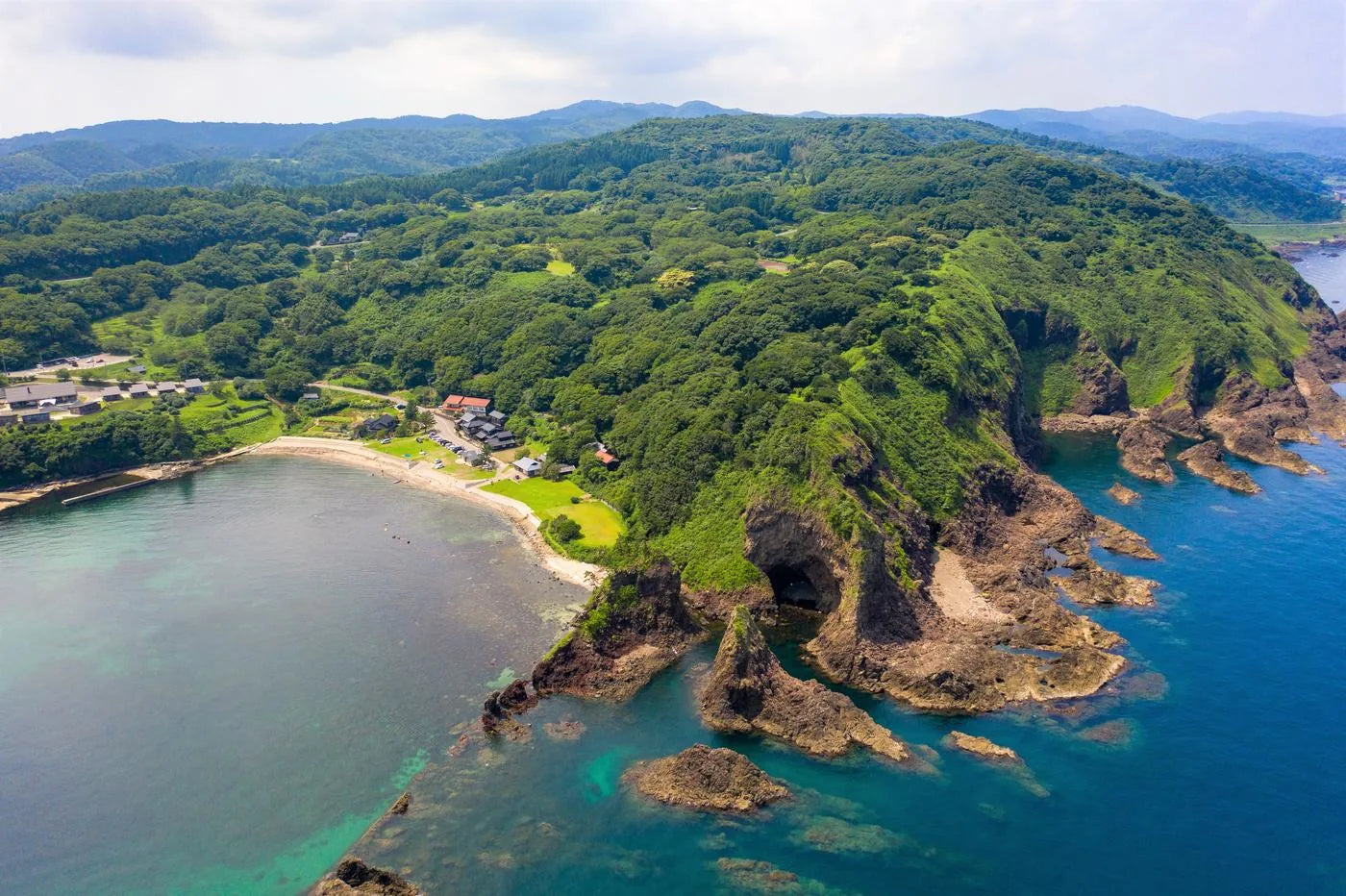
From Noto, Japan — a UN-designated agricultural heritage region
Single-origin skincare,
made from Noto sake lees.
Fermented rice lees from sake breweries in Ishikawa. Rice bran from rice they grow themselves without pesticides. Charcoal hand-fired by a single artisan. Every ingredient traces back to a named maker.
See the ingredients2011
The year the UN's FAO designated Noto a Globally Important Agricultural Heritage System (GIAHS)
3
Three core ingredients — sake lees, rice bran and charcoal — each from a named Noto maker
100%
Deep sea water from Noto, used in place of purified water
Noto, Japan
An agricultural heritage region on the Sea of Japan. The terraced rice fields and the breweries that ferment their harvest are where NAIA begins.
Ingredient Basics
What is sake kasu? Start with the ingredients.
NAIA is built on three ingredients. Here is what each one is, where it comes from, and what it does on skin.
Sake Kasu 酒粕
INCI: Oryza Sativa (Rice) Lees Extract
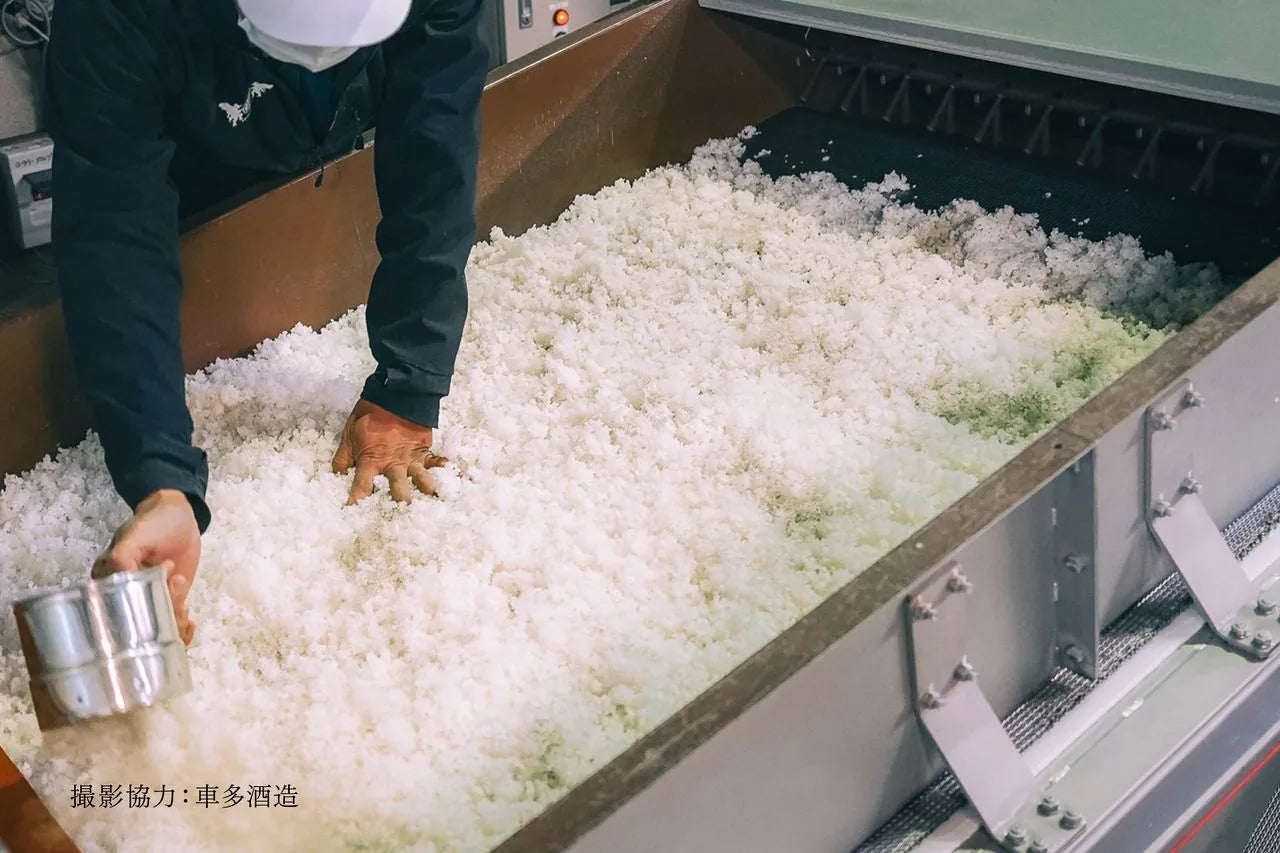
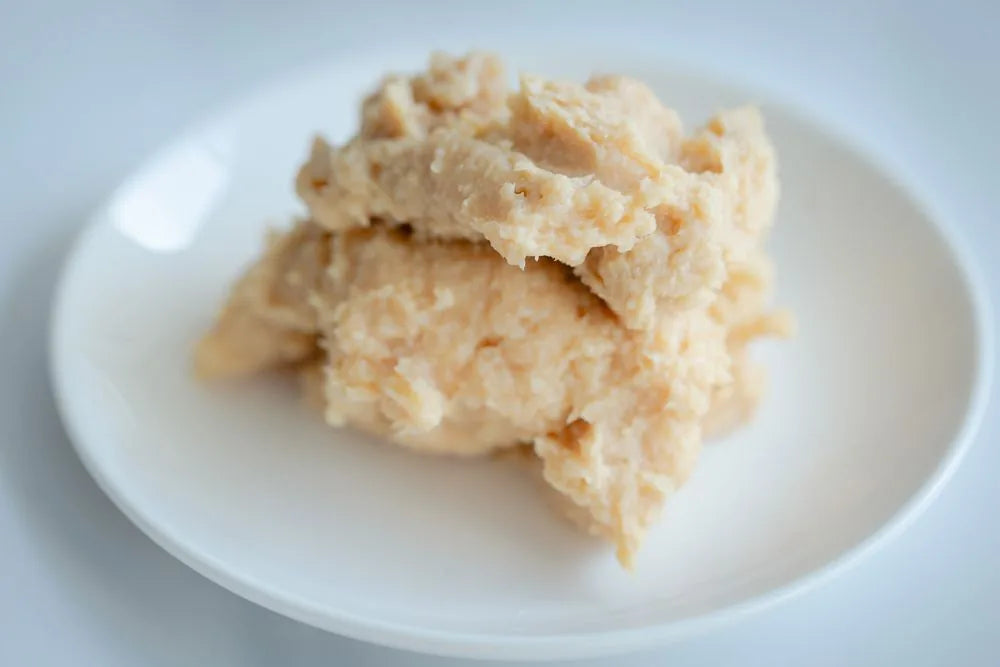
Sake kasu is the nutrient-rich rice solid left after Japanese sake is pressed. It contains amino acids, vitamins and natural moisturizing factors (NMF). NAIA sources it from partner breweries in Ishikawa and freeze-dries it — removing the alcohol while keeping those components intact.
Komenuka 米糠
INCI: Oryza Sativa (Rice) Bran Extract
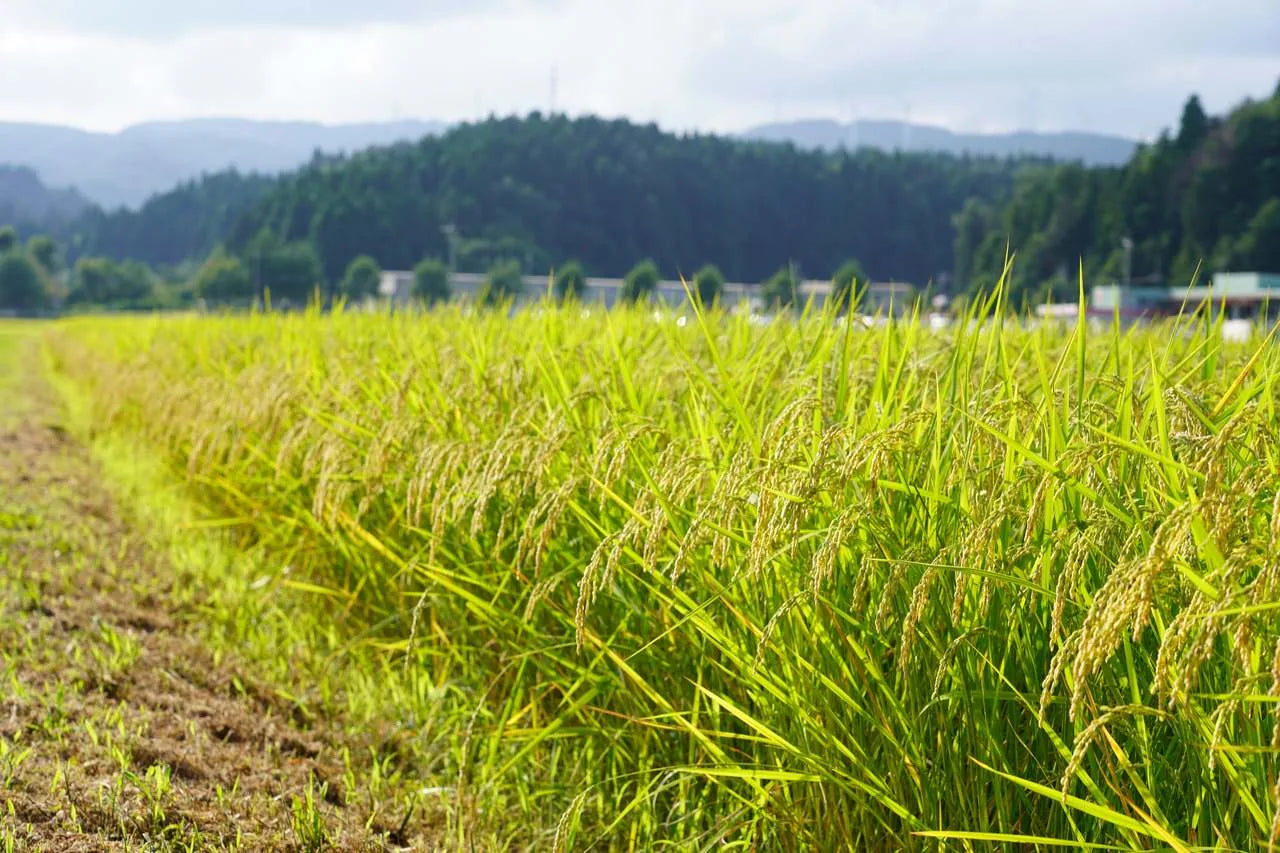
Komenuka is the bran and germ layer removed when brown rice is polished. It has been used on skin in Japan for centuries, traditionally in a cloth "nuka bag". NAIA uses rice bran derived from its own rice, grown in Ishikawa without pesticides or synthetic fertilizer.
Kikusumi 菊炭
INCI: Charcoal Powder
Kikusumi is charcoal fired from kunugi oak by a traditional Japanese method. Its cross-section resembles chrysanthemum petals, which is how it got its name. The porous structure helps lift away excess oil and impurities.
Ingredient Science
Three ingredients — and what they actually do.
None of these can be synthesized in a lab. They are made by fermentation, by farming and by hand. What follows is what each one contributes to a formula.
From NAIA's Noto partner breweries
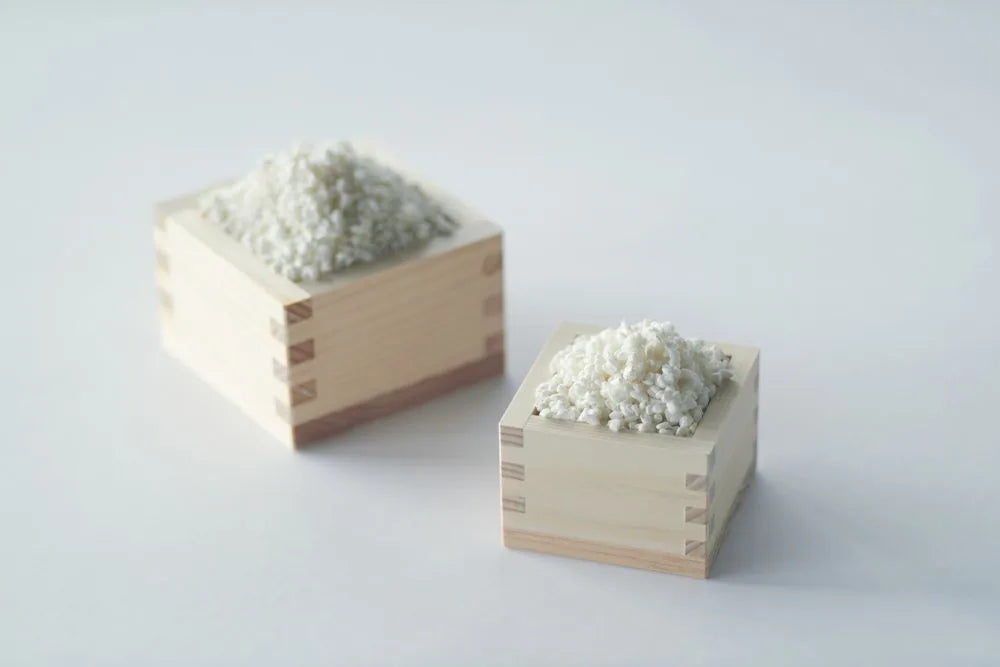
酒粕
SAKE LEES
The fermented by-product of pressing sake. NAIA freeze-dries it at low temperature to remove alcohol while keeping its natural moisturizing factors intact, then formulates it as an aged Noto sake lees powder and extract.
Oryza Sativa (Rice) Lees Extract
The sake lees itself — amino acids and natural moisturizing factors that help skin hold water.
Rice Ferment (Sake) Lees
The milled lees itself, used in the cleansing foam so skin does not feel tight after washing.
Alcohol removed by freeze-drying
Processed cold so the components survive. No ethanol is added to the formula.
From NAIA's own Ishikawa-grown rice
米糠
RICE BRAN
The bran and germ removed when brown rice is polished — a Japanese skincare staple for centuries. NAIA's bran comes from rice grown in the sea winds of Noto, without pesticides or synthetic fertilizer.
Oryza Sativa (Rice) Bran Oil
A naturally rich oil that helps soften and condition the skin.
Glucosyl Ceramide
Helps support the skin's own moisture barrier, so skin feels less dry.
Tocopherol (vitamin E)
An antioxidant that helps keep skin looking healthy and comfortable.
From Choichiro Ono, Notohahaso, Ishikawa
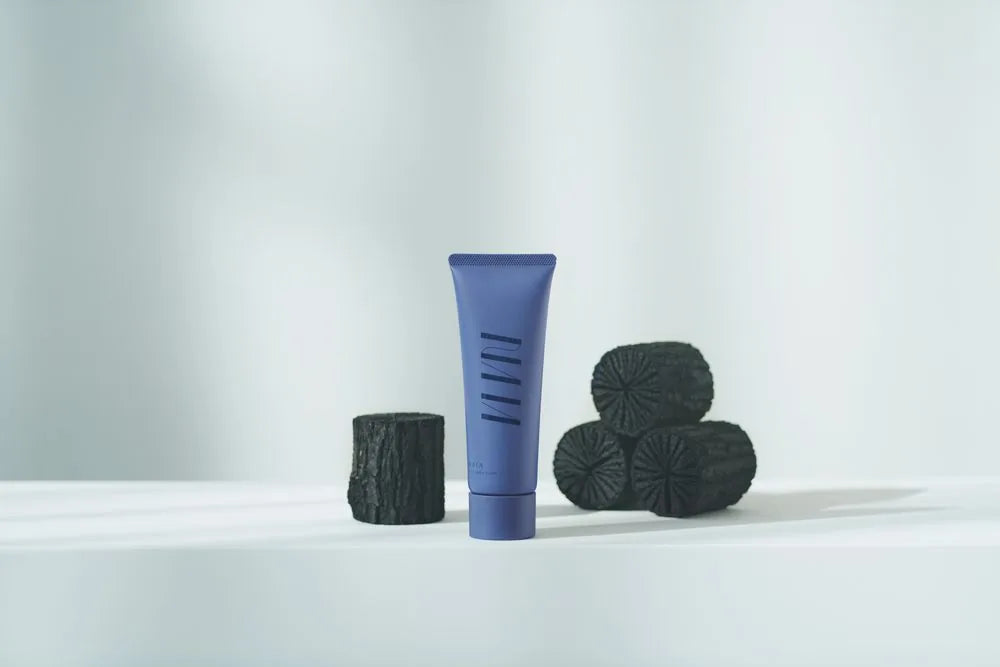
菊炭
KIKUSUMI CHARCOAL
Charcoal fired from kunugi oak the artisan planted himself. Cut across, it opens into a chrysanthemum pattern — the mark of a charcoal prized in the Japanese tea ceremony since the Muromachi period.
Charcoal Powder
A porous structure that helps lift excess oil and impurities from pores.
Hand-fired by one maker
Not industrially produced. Every batch comes from a single artisan's kiln.
Planted, cut, replanted
The oak is grown by the same person who fires it, keeping the woodland cycle intact.
Single Origin
NAIA's partner sake breweries.
The quality of sake lees is the quality of the sake it came from. NAIA uses lees from partner breweries in Ishikawa.
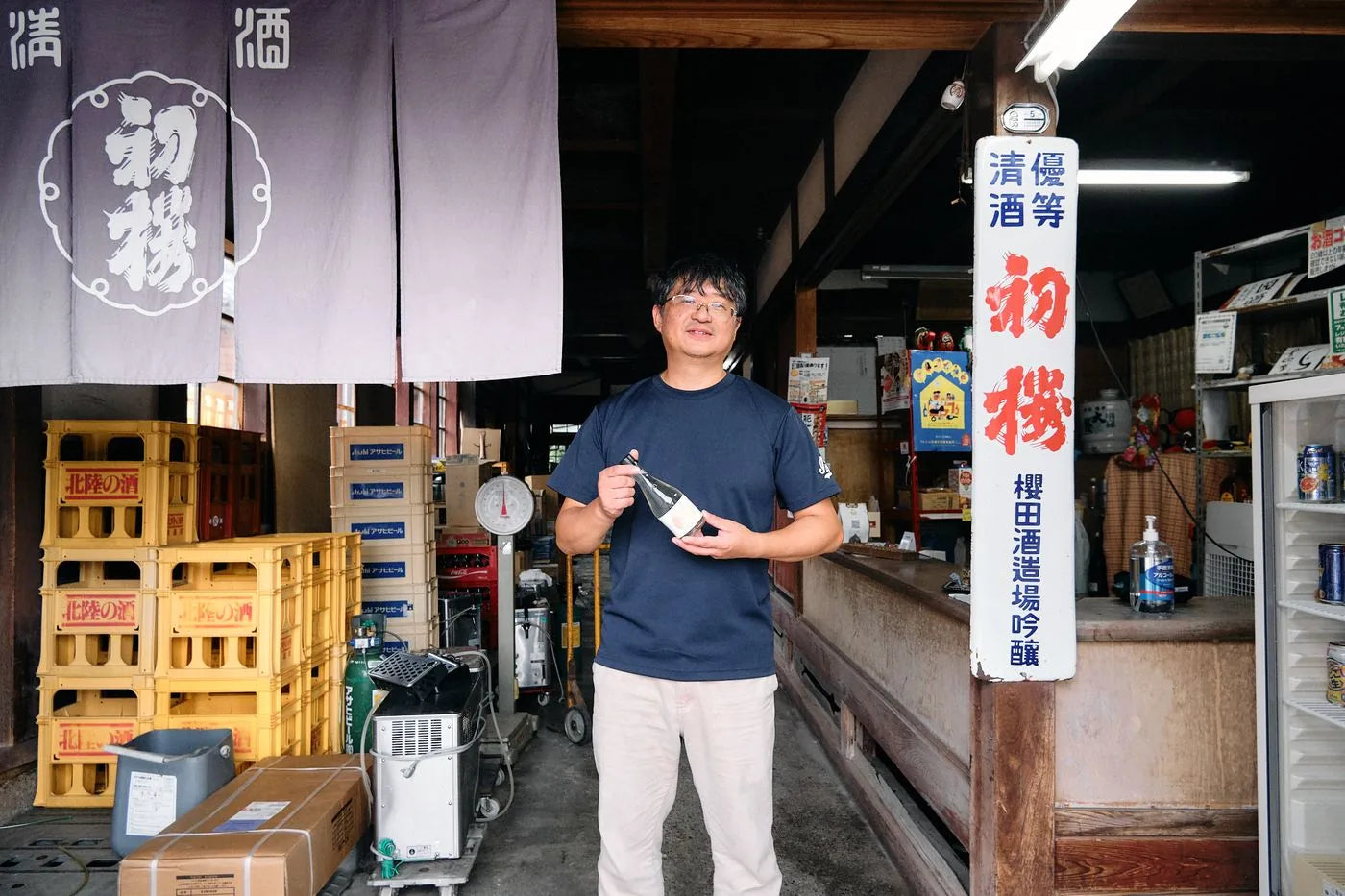
Sakurada Sake Brewery
桜田酒造
Ishikawa, Japan
Junmai daiginjo & junmaiA long-established brewery in Ishikawa. Its lees are freeze-dried to remove alcohol while keeping amino acids and natural moisturizing factors intact, then milled into the aged Noto sake lees powder. *Note: Although its facility was completely destroyed in the 2024 Noto Peninsula Earthquake, brewing has resumed through collaborative production at a partner brewery in Ishikawa Prefecture.
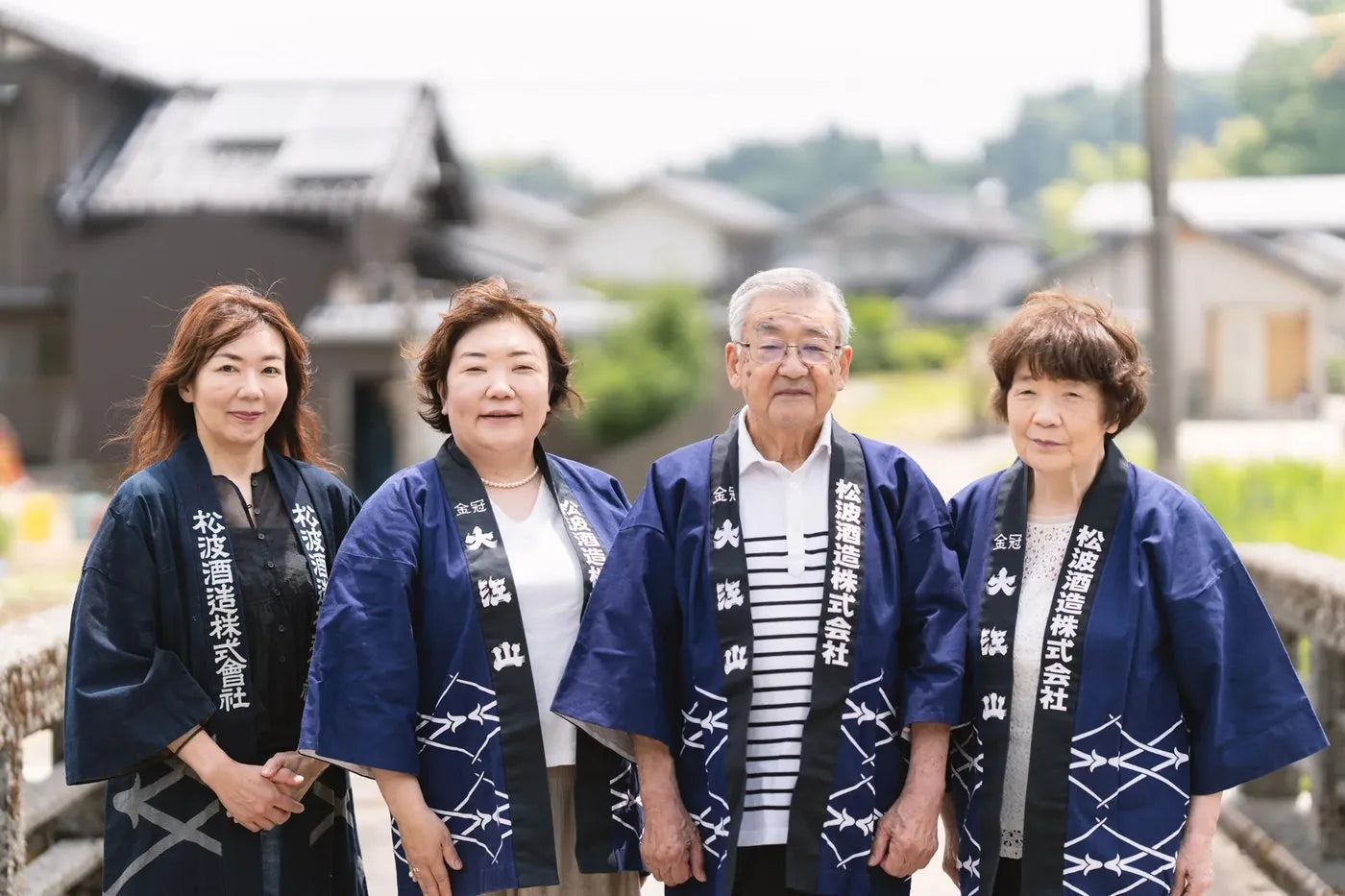
Matsunami Sake Brewery — "Oeyama"
松波酒造
Ishikawa, Japan
Noto toji traditionBrewers of the Oeyama label. The brewery building was lost in the 2024 Noto earthquake; rather than stop, the family kept brewing from a base in Kanazawa under the rallying phrase "don't let Noto's sake stop."
The Maker
One artisan, one kiln.
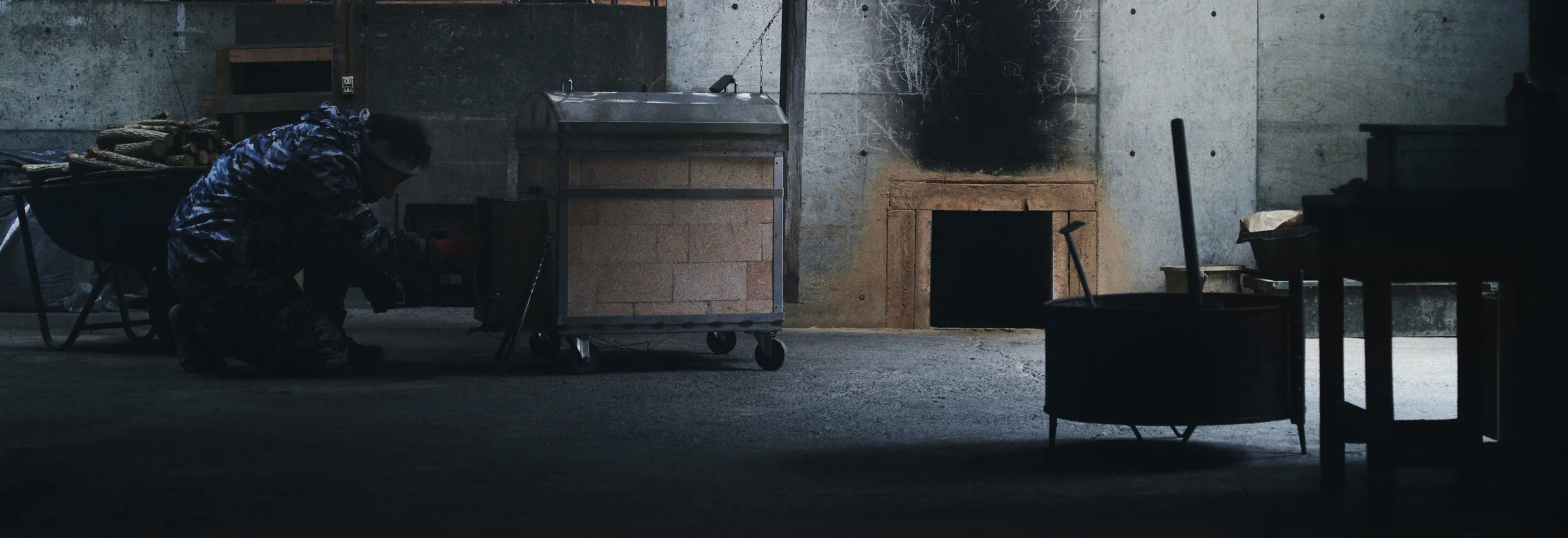
Our charcoal is not a commodity ingredient. In a hamlet in the hills of Noto, one man plants the oak, fires the kiln and cuts the charcoal by hand.
炭
MAKER
Choichiro Ono
Notohahaso — Ishikawa, Japan
A charcoal maker who fires kunugi oak by traditional methods in the hills of Noto. He plants the trees himself, keeping the cycle of planting, cutting and firing intact. All four of his kilns collapsed in the 2024 Noto earthquake — he rebuilt and kept going. His charcoal is the ingredient NAIA's cleansing foam is built around.
Heritage
A landscape the UN put on the map.
In 2011 the Food and Agriculture Organization of the United Nations designated Noto's satoyama and satoumi a Globally Important Agricultural Heritage System — the first such designation in Japan, and the first in a developed country. It recognizes a place where farming, forest and sea have been worked together for over a thousand years without exhausting them.
GIAHS — FAO of the United Nations
Noto's Satoyama and Satoumi
Noto Peninsula, Ishikawa, Japan — designated 2011
- A landscape where people and nature have coexisted for more than a thousand years.
- NAIA's rice is grown here with local farmers, without pesticides or synthetic fertilizer.
- The kunugi oak for the charcoal is planted by the maker himself, keeping the woodland cycle going.
- Since the 2024 earthquake, the work of these farmers, brewers and artisans is what keeps NAIA possible.
NAIA is an initiative created by the Astena Group at its base in Ishikawa Prefecture. They develop skincare that pairs Noto's raw materials with modern formulation science.
What makes NAIA unusual is that the whole chain — growing, brewing, firing, formulating — happens inside one small region, among people they know by name.
Daily Ritual
Five steps, layered in order.
Each NAIA step is designed so the one before it helps the next absorb more easily. Fewer products, used in sequence.
01
Cleanse
Aqua Cleansing Gel
Formulated with Ishikawa sake lees. Removes makeup and sunscreen without leaving skin tight
Oryza Sativa (Rice) Lees Extract
02
Wash
Natural Moist Face Wash Foam Kiku Sumi & Sake Kasu - Kusunoki
Hand-fired charcoal lifts pore impurities; sake lees powder keeps skin comfortable after rinsing
Charcoal Powder + Rice Ferment (Sake) Lees
03
Tone
Clear Essence Lotion - Sake kasu & Kome Nuka
Lees and bran extracts layered onto clean skin, prepping it for what follows
Oryza Sativa (Rice) Lees / Bran Extract
04
Serum-emulsion
Precious Serum Emulsion - Kome Nuka & Sake Kasu
Pesticide-free Ishikawa rice bran with Niacinamide and Glucosyl Ceramide, for a smooth, supple-looking finish
Niacinamide + Glucosyl Ceramide
05
Seal
Rice Bandage Cream
A flexible plant-derived veil that helps hold moisture and the preceding layers in overnight
Polyacrylate Crosspolymer-6
Films
See Noto as the brand filmed it.
Footage shot on location in Noto by NAIA — the land, the lees, and the daily ritual.
Videos provided by NAIA and embedded from the brand's official YouTube channel.
Products
Shop the collection.
Every product ships directly from Japan by Smikie Japan, and supports the breweries, farmers and artisans of Noto.
Sake Lees Formula
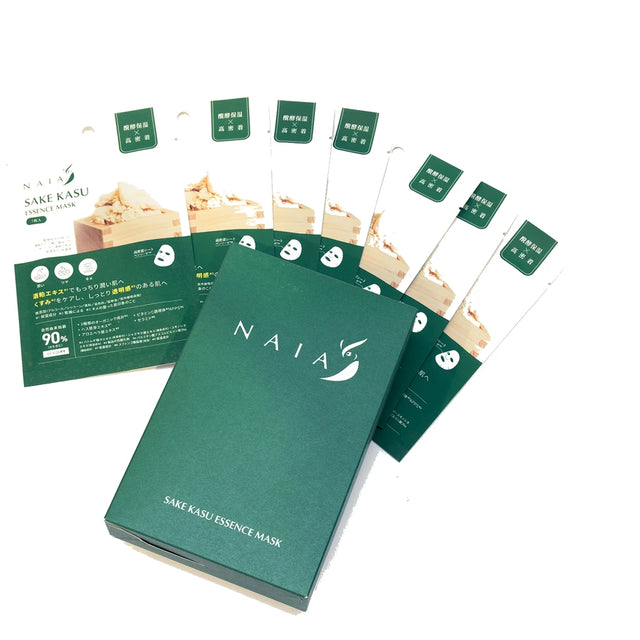
NAIA Japanese Sake Lees Beauty Face Mask 7 pcs (7 Sheets)
A week of sheet masking with Noto sake lees. Leaves skin feeling deeply hydrated and looking luminous.
Oryza Sativa (Rice) Lees ExtractSodium HyaluronateGlycosphingolipids
$11.20
VIEW PRODUCT →
Try One First
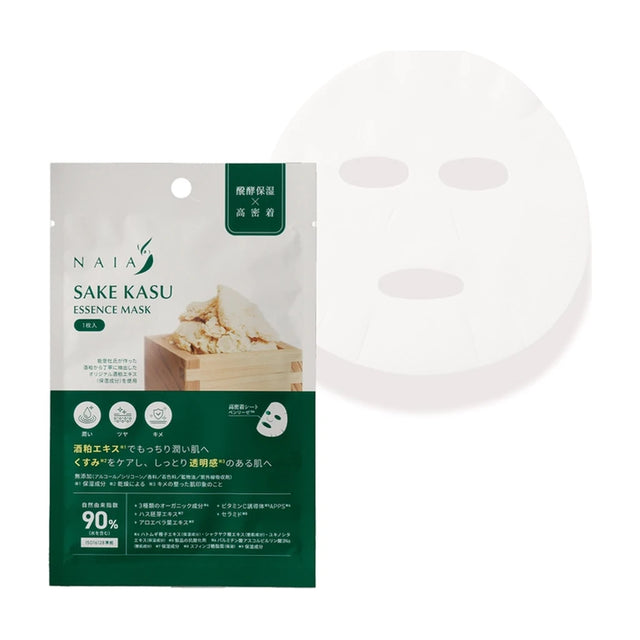
NAIA Japanese Sake Lees Beauty Face Mask 1 pc
A single sheet to experience Noto sake lees before committing to the full set.
Oryza Sativa (Rice) Lees ExtractSodium Hyaluronate
$2.20
VIEW PRODUCT →
Sake Lees Cleanse
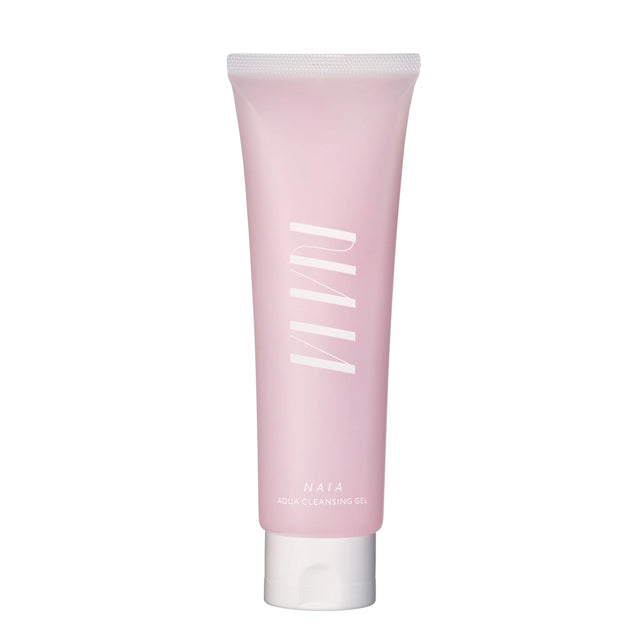
NAIA Aqua Cleansing Gel 180g
Made with Noto sake lees. Dissolves makeup and sunscreen while leaving skin feeling comfortable, never stripped. 180g.
Oryza Sativa (Rice) Lees ExtractOryza Sativa (Rice) Bran Extract
$24.40
VIEW PRODUCT →
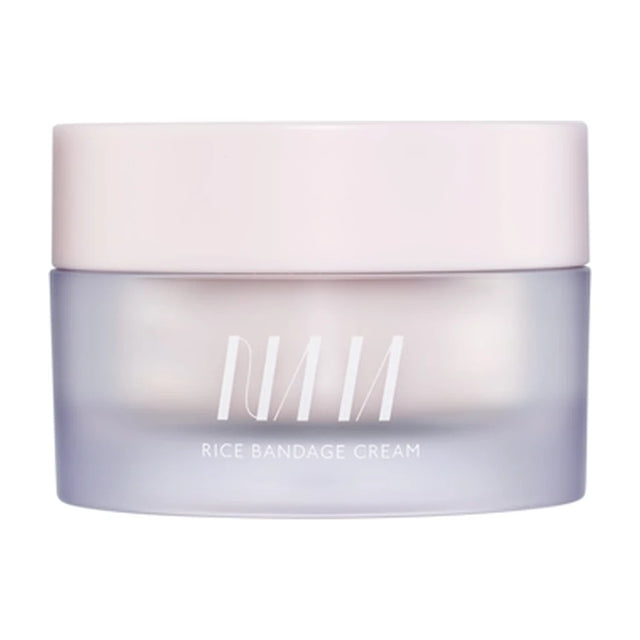
The sealing step
NAIA Rice Bandage Cream 40g
The richest step in the routine. A plant-derived polymer forms a flexible veil that helps hold moisture and the preceding layers in overnight. 40g.
Oryza Sativa (Rice) Bran OilButyrospermum Parkii (Shea Butter)Squalane
$41.99
VIEW PRODUCT →
FAQ
Frequently asked questions.
What is sake kasu, and what does it do for skin?
Sake kasu (酒粕) is the nutrient-rich rice solid left behind after Japanese sake is pressed. It contains amino acids, vitamins and natural moisturizing factors. In Japan it has long been associated with the soft, clear-looking hands of brewery workers. In NAIA formulas it works as a humectant that helps skin hold onto moisture, and contributes to a smoother, more radiant-looking complexion.
How is J-beauty different from K-beauty?
Broadly, Korean routines tend to be longer and more corrective, while Japanese routines are shorter and focus on protecting the skin barrier — prevention rather than intervention. NAIA follows the Japanese approach: five steps, and quality of raw material over number of products.
Is NAIA suitable for sensitive skin?
The formulas are designed to be gentle, but no product can be guaranteed non-irritating for everyone. If you are concerned, patch test on a small area first. Full ingredient lists (INCI) are published on every product page.
What order should I use NAIA products in?
Cleanse, wash, tone, serum-emulsion, then cream. Each step is designed so the one before it helps the next absorb more easily, so we recommend following the order.
Where are NAIA products made?
NAIA products are crafted in Japan using carefully selected ingredients from Ishikawa Prefecture. Sake lees are sourced through collaborative partnerships with local Ishikawa breweries, charcoal comes from Noto artisan Choichiro Ono, and rice bran is derived from rice grown in Ishikawa.
What is a GIAHS site, and why does it matter for skincare?
GIAHS stands for Globally Important Agricultural Heritage Systems, a designation by the Food and Agriculture Organization (FAO) of the United Nations. Noto's Satoyama and Satoumi was designated in 2011 — the first such site in Japan. This recognition signifies that the region where NAIA's ingredients are sourced has preserved its traditional agricultural practices and rich biodiversity over centuries.
Sake lees comes from alcohol. Do these products contain alcohol?
No ethanol is added. The sake lees is freeze-dried to remove alcohol before it is formulated. You can confirm this on each product's full ingredient list.
Do you ship to the United States?
Yes. Orders ship directly from Japan via Smikie Japan. Shipping times, costs and duty handling are shown at checkout.
Last updated: July 2026
Before You Buy
Shipping, and what's in the bottle.
Ships from Japan
Sent directly from Japan by Smikie Japan. Costs and delivery times are shown at checkout.
Every ingredient, listed
Each product page shows the complete ingredient list, using the standard international names — nothing left off.
Transparent Sourcing
Revealing the breweries, artisans, and origins behind every ingredient.
Start with one sheet
Both sheet masks are available as a single sheet before you commit to a box.
Skincare with a return address.
Every NAIA product ships directly from Japan — and traces back to the people in Noto who made it.
Shop all NAIA products